One of the important things is that we don’t just tell a child to do something and then they look at us and see that we are doing the very thing we just told them not to do. Our children hear what we say and see what we do, and if those things don’t line up, they notice it.
As Christian parents, we often find ourselves riding with our emotions when we are stressed by a chaotic household—with kids running around, doing multiple things, and stretching our patience. It is exactly in these moments when we need to focus on our own walk with God. What would the Holy Spirit want us to do in this situation?
When we are frustrated with our children, we are often at our worst. We act out in ways that we shouldn’t. It is hard to be patient forever, and sometimes that last straw leads to a fountain of anger being displayed for all the children to see. What does Mama look like when she throws a fit? This bountiful release of emotions is often what the children catch more than what we are trying to teach them.
Our children are watching us, and they take note of everything we do and say. They study us. We need to examine our own lives and look at the stick in our own eye before we try to remove the stick from our children’s eyes.
We are supposed to love everyone, but we become a Karen, and that’s not loving. That’s what they see. If they see us worrying about bills and how we’re going to pay them, that’s what they learn — that they should be anxious over things that have not yet happened.
And if we tell them that the Bible is the most important book in the world, but they see us scrolling our phones all day, they think that perhaps the phone is the most important thing because that’s what they see us paying attention to.
They should see us doing the things that we are preaching to them. Actually love your neighbor. Do whatever it takes to show them love and show them how they can give of themselves to their neighbors.
Do not worry about things when you should show them how to put their trust in God and lay their worries at the feet of the cross. Put your phone down, especially at meal times, because they are more important than scrolling on your phone.
Reach for God. Bless your food and be thankful for the food, for them, and for your neighbors.
Raising children doesn’t mean that we have to be perfect. We are all imperfect beings, and we all lose it at times after our children have tested our patience multiple times and we have finally had enough.
But if we do something to them that we should not have done, and if we have acted out in anger when we should have been more merciful, then we should ask them for forgiveness. This, of course, means that your children actually have to be old enough to process that.
I really don’t believe in gentle parenting. I have not seen good results from this practice. What I have seen is spoiled brats come out of this practice.
I’m not telling you to beat your children, but the Bible says, “Spare the rod and spoil the child,” and I believe that is what we have in today’s society — spoiled, ungrateful children.
That is what you need to guard against: having ungrateful children.
Today’s reflection: the living curriculum
As we go about our day doing the chores that we have to do, take a look at the rhythm of your life. Remember that our children are always looking at what we do. They are watching how we deal with them when they’re being difficult and we have had enough, and how we handle exhaustion.
Our children look at how we handle life in general. They will look at our spiritual life and emulate what they see.
Do we do morning devotions? Do we pray at meals? Do we sing praises to Him? Do we have a nighttime routine that glorifies God and asks Him for protection while we sleep?
This is not meant to make you feel guilty or to accuse you of doing anything wrong. God never meant for us to be perfect parents, but He does mean for us to be the most authentic, godly people that we can be.
Today’s Reflection: Three Ways to Stay Rooted
So when we are going about our busy day, let’s look at three ways that we can stay rooted and grounded in Christ.
First of all, it’s super important that we take the first part of our morning, before the children wake up, because we all know that once they wake up, that’s it for quietness in the day. So we have to seize that time of the day and spend it with God.
Morning devotions are important. We have to use that time to ground ourselves in the Word. After we’ve read the Word, then take some time to do some prayer, some warring in the Spirit.
And then the third way, of course, is to take a breath before we react to what the children are doing throughout the day.
Psalms 5: 3 NIV
“ In the morning, lord, you hear my voice; in the morning I lay my request before you and wait expectantly.”
Joshua 1:8
“Keep this book of the law always on your lips; meditate on it day and night…then you will be prosperous and successful.”
1 Thessalonians 5:16 – 18
“Rejoice always, pray continually, give thanks in all circumstances…”
James 1:19-20
“Everyone should be quick to listen, slow to speak and slow to become angry, because human anger does not produce the righteousness that God desires.”
Galatians 5:22-23
“The fruit of the spirit is love, joy, peace, patience, kindness, goodness, faithfulness, gentleness and self-control.”
Deuteronomy 6: 6-7
“These commandments that I give you today are to be on your heart. Impress them on your children. Talk about them when you sit at home and when you walk along the road, when you lie down and when you get up.”
A practice to try today: Let them catch you.
So instead of doing all your God time behind closed doors, today let’s let the children catch you living out your Christianity in your day-to-day life.
Before you react to whatever your children are doing that is stressing you out, stop and tell them, “I am going to pray right now that God would give me extra patience to deal with this.”
Then, of course, go ahead and pray.
Let them catch you reading your Bible at the kitchen table. Let them catch you praying at the sink. Let them catch you praying for people who have had a wreck as you’re driving by.
Live out your spiritual life in front of them.
Rooted in Truth: Planting Seeds in the Chaos
Sometimes when we are going through our chaotic lives, it seems like we’re just throwing the seeds out and nothing is happening. Sometimes you wonder if these children are ever going to catch anything that we’re doing.
However, often we don’t see it until years later. Don’t get me wrong, sometimes we are surprised when they are at someone’s house, at church, or at school, and they actually do something that we have been planting in them. And it is joyfully surprising.
Spiritual growth happens even in the middle of chaos.
Every time you don’t lose your cool when the kids are screaming at the top of their lungs and tearing up everything in the house, and you say a little prayer in front of them for patience, then try your hardest to be as patient as possible and perhaps give them a timeout — that’s what they will remember.
Right now, when they see that you are so mad you feel like you could lose it, and instead you react with restrained love, they will remember your restraint.
Years later, you can all sit around the living room, reminisce, and laugh about how your oldest son tore down the ceiling fan by swinging from it. You came running into their room, your face turned red, and you lost it screaming about how you brought them into this world and you could take them out… LOL.
Yet they all survived.
1 Corinthians 3:6–7
“I planted the seed, Apollos watered it, but God has been making it grow.”
Galatians 6:9
“Let us not become weary in doing good, for at the proper time we will reap a harvest if we do not give up.”
Years from now, your children will probably not remember every rule that you had, but they will remember the atmosphere that they grew up in.
They will remember where you lost it and where you got yourself together, prayed to God, and came back with an apology and a just sentence.
So, in the middle of the chaos, you have to remember that you’re planting seeds.
Remember, you’re not just correcting their behavior; you’re planting seeds every time you don’t scream at them and instead whisper a prayer, then come back as a more restrained person.
That plants the seed of truth that will give you the lifelong harvest that you so desire.
Simple Ways to Root Your Day:
Anchor your mind in truth: Choose a single scripture verse to carry in your heart today, focusing on it whenever the daily noise starts to build.
Anchor your breath in prayer: Turn the tiny, quiet pauses in your routine—like waiting in the school pickup line or tidying up—into quick moments of connection with God.
Anchor your reactions in grace: Choose a patient, calm response when things go wrong to show your kids that Christ is your steady foundation when the day gets messy.
A Prayer for the Daily Walk
Lord,
Thank You for my precious children that You have given to me to raise. Help me to get through each day, remembering that You are walking with me every step of the way.
Help me be the person that I want my children to be. Help me to remember that You are always with me and that I don’t have to do this alone.
Thank You for giving me the grace that I need to walk through this life and show Your love through my life to my children.
The Confident Homeschooler: A 12-Part Journey from Doubt to Growth.
Welcome to The Roadmap to Homeschooling
When I look back at when I really started putting a plan together to homeschool. I really didn’t want to let my little daughter go into a program that I felt like would not teach her the way I wanted her to be taught. I wanted her to be taught about Christianity, and who God is. Even in the 90’s schools were drifting away from honoring your religious preferences.
When I was in school, if your parents decided that a class did not line up with their beliefs, they would just assign you to a different class, but that all changed. They took God out of schools so that religion would not be a part of it, and in turn, made all children atheists. I also felt like I could do a better job of teaching her to read as I had already tested her and she was reading at a third grade level at 4 years old. That was the proof that I needed to show the family because they thought I was crazy. Mamaw said that a child needed to go to school to learn, but she was learning, at home, better and faster than school kids.
So if you are thinking about homeschooling, I know that it’s a huge cliff to jump off of, but you really just need to trust in God that he knows what you’re doing and He will catch you when you fall. If He’s leading you into schooling your children at home, He’s not going to let you down, you’re going to reap rewards for what you’re doing.
So just take a slow deep breath and realize that you don’t have to have everything figured out today.
So welcome to the Road Map to Homeschooling. It’s a 12 week series that I’m going to do to help new homeschoolers get through all the different things that you have to do just to get started. I know that it can be kind of scary and uncertain to start something new but God’s got you. We’re going to do this together.
Part one: Finding Your Way in the Unknown.
I realize that starting homeschooling can look like you’re jumping off a cliff into the vast unknown, but that’s just where you need to be. God wants you to step out in faith. If He is talking to you about taking your children out of school, or not even putting them in, He’s doing that for a reason. The school system today leads children down a path to atheism. I know that’s not what I wanted for my children, so perhaps that’s what you don’t want for yours. Sometimes you have children that are not perfect. They’re autistic, they’re dyslexic, they have other problems, and sometimes they’re just so smart that they leave everybody behind. No matter which one that is, we can walk together through it, because once you get started putting one foot in front of the other, you’ll see that daily it’s not that hard. Mostly it’s just your brain thinking bad thoughts that overwhelms you, but God tells you to take every thought captive, and that’s what you have to do. Don’t overthink it, just do ‘today’.
I think one of the first things most people want to do is to do a bunch of research. Is it legal to homeschool in my state? Actually yes, homeschooling is legal in every state but there are different rules so find out what those rules are and then you can start from there.
I would also advise you to look up your local guidelines through The homeschool legal defense association or (HSLDA) or even your state’s department of education. Once you have those, then it really helps you to know what those guidelines are and go from there. Scripture reminds us in 2 Timothy 1:7 “For God has not given us a spirit of fear, but of power, and of love, and of a sound mind.”
Another thing that parents often think about themselves is that they might not have been trained professionally as a teacher, so how could you know how to teach a child. Many times people think, I need to get a room and get desks, and white boards, and computers, and decorated it to look like a school room, but that’s not necessarily true. You’ve been teaching your children since they were born how to walk, and how to talk, and you have ideas about what you want them to learn. The curriculum, you can look through, and find the one that you like the best. Don’t overthink it, just do something everyday, and eventually, you’ll get a schedule together.
In Deuteronomy 6:6-7 it says “And these words which I command you today shall be in your heart. You shall teach them diligently to your children, and talk of them when you sit in your house, when you walk by the way, when you lie down, and when you rise up. “
Yeah notice that he didn’t say you have to have a professional degree to teach your children. He didn’t say you have to have the perfect curriculum. He didn’t have to tell you that you needed a whole school room inside your house. You just have to be willing to do what he asked you to do. Sit at the kitchen table. Start there.
When you get frustrated and you’re exhausted after a long day. Take strength in the words that God tells you. Read your Bible. If you speak in tongues, pray in tongues. Play worship music. God will help you remember why you are doing this.
Your 1st practice for this week: Get your whys together. Why are you doing this? Is it because you don’t want to let your children go into school because you believe that you could do a better job? Is it because your children are already reading? Is it because your children have a learning disability? Is it because you want them to have a Christian education? Find out your whys. Write them down on a note card and post it somewhere so that you can see it. That way when the days get long and hard, and they will, you can look at your note card and remember why. Next week, we are going to face the single biggest question everyone asks at the grocery store: The Socialization Question.
Reflection Questions
What does “successful education” look like in the eyes of God versus the eyes of the world? Strip away state requirements and test scores for a moment. When your child is grown, what spiritual fruit, character traits, and biblical foundations do you deeply pray they walk away with?
How can you release the “School at Home” picture? When you think about homeschooling, are you trying to force your home into a rigid, institutional mold, or are you allowing God to build a peaceful rhythm that fits your specific family’s design?
Where are you relying on your own strength instead of God’s equipping? If you are feeling inadequate, look at 2 Corinthians 12:9: “My grace is sufficient for you, for My strength is made perfect in weakness.” How does knowing that God fills in your gaps change how you view your qualifications to teach your child?
This Week’s Routine Practice: The Daily Reset
Before you get crazy busy this morning let’s go ahead and start a simple habit called the morning grounding check-in.
Every morning before you get started go ahead sit down at your kitchen table, grab your coffee and look at your why statement. Then read Deuteronomy 6: 6 – 7 out loud. If you have a daily devotional do that. Then remind yourself that when God calls you to do something he’s going to teach you how to do it himself he’s going to lead the way and you just have to take it one step at a time.
A Prayer for the Journey
Father,
As I stand at this cliff looking at an overwhelming thing that I am pondering, lead me with your Love. I know that you have called me to homeschool my children, I put my faith in you that you will educate me because you have called me to educate my children. I am obeying you.
When I feel overwhelmed and I feel like I just can’t cope anymore. When I feel like I’m just not cut out for this. Help me to remember my whys, and that I am being obedient to you. Help me to rest in your presence.
Help me to take wisdom from other homeschoolers around me, from the homeschool association and from reading your wisdom. Give me Grace for today.
Amen
Next week, we are going to face the single biggest question everyone asks at the grocery store: The Socialization Question.
If you are reading this, chances are your world has just ended.
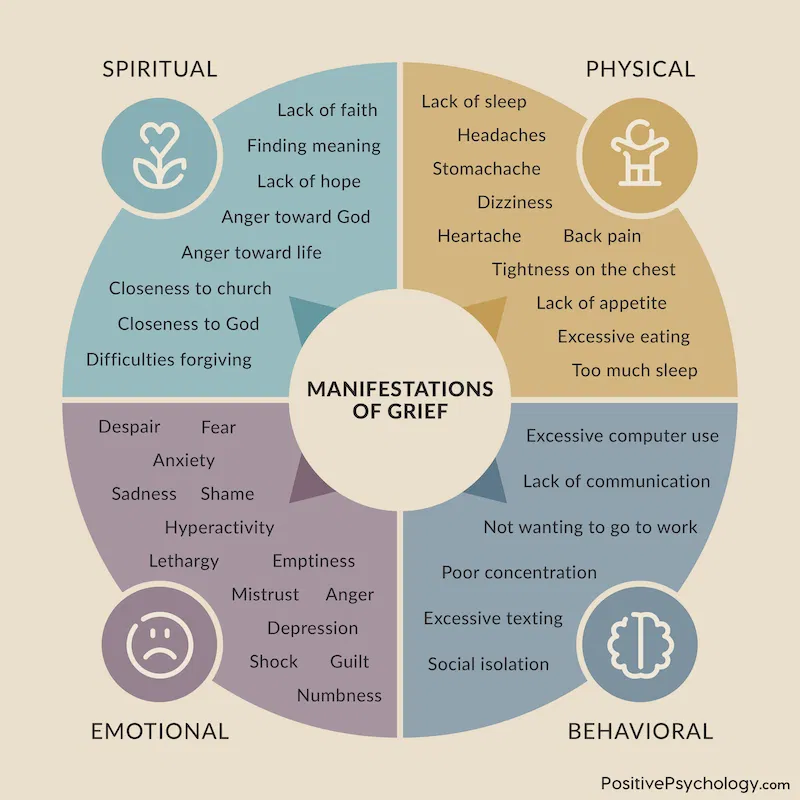
You aren’t looking at these words because you want to learn a new skill or improve your life; you are looking at them because a catastrophic loss has leveled your reality, and you are trying to figure out how to breathe in the wreckage.
I was there in the hospital room, reading the Bible out loud to my husband. He wanted me to read it to him even when they put him under to intubate him. He said he could hear me even when he was under, that it gave him comfort. I don’t remember the scripture I was on, but I do remember when his breath didn’t pull… there was that pause… and then the machine forced air into his lungs. He was gone…
Most of the conventional advice surrounding grief is sanitized. It tells you about the “stages of grief” as if they are neat, orderly boxes you check off on your way to feeling better. It tells you to “stay strong,” to “cherish the memories,” or to “take care of yourself.” But when you are trapped in the suffocating aftermath of a profound loss, whether you are reeling from the death of a child, a spouse, a parent, a sibling, or a grandparent, that advice doesn’t just feel useless. It feels like an insult. It completely misses the terrifying, violent, and messy reality of what it actually takes to survive when someone who anchored your world is suddenly gone.
This series is different. At 3Cord Collective, this is our ministry to you. We are not going to handle your pain with kid gloves, and we are not going to offer you hollow platitudes or silver linings. We know that a cord of three strands is not easily broken, but right now, your strand feels completely snapped.
Come to me, all you who are weary and burdened, and I will give you rest.Matthew 11:28 NIV
In this series, we are going to:
Pull back the curtain on the brutal reality of loss: We will look directly at the heavy, unspoken truths of grief, the moments when you are drawn to the floor because your mind cannot hold you up, the desperate urge to escape reality through medicated sleep, alcohol, or substances, the severe physical danger of shock, and the functional paralysis that clashes with your daily responsibilities.
Provide an unfiltered, step-by-step roadmap through the wreckage: Grief is entirely unpredictable, but you do not have to wander through the dark without a guide. We have broken this journey down into 12 concrete steps, divided into phases that mirror the natural progression of trauma, beginning with the immediate, visceral crisis of the early weeks and slowly moving toward finding a way to take the next step.
Lower the bar to absolute survival: In the early chapters of this journey, we are not focusing on “healing” or “moving on.” The bar will be lowered all the way to the floor. Whether you live completely alone, have a quiet home, or are surrounded by surviving family members who depend on you, we will give you explicit, low friction permissions to fall apart, to deploy boundaries, and to focus entirely on minute-by-minute survival.
Teach you how to lean radically on God: When you have absolutely no human strength left, survival means collapsing into the arms of the Father. We will show you that God is not afraid of your anger, your panic, or your darkness, and that the Holy Spirit is closest to you when you are at your absolute lowest.
Help you find a tether to reality: While we will sit with you in the deepest darkness, this series is ultimately designed to help you find a slow, steady anchor—whether that anchor is a silent friend sitting on the floor with you, a pet holding space by your side, or just a single moment of quiet in a chaotic house.
You do not need to read this entire series. If you are in the foxhole right now, your only job is to read the words meant for the phase you are currently trapped in. Tune in when you are ready.
Phase 1: The Crisis (Weeks 1–3)
Step 1: Embracing the Shock & “Grief Brain”
The Focus: Normalizing the visceral trauma of acute loss, the functional paralysis, the desperate urge to escape reality, the terror of panic, and the sheer devastation of the early weeks while learning to collapse into God’s strength.
The Message: You are not losing your mind, and you are not failing spiritually. When the pain is so severe that you cannot face being awake, your body and soul are in a state of total, catastrophic shock, and God is holding you when you cannot hold yourself.
Loss doesn’t just disrupt your routine; it violently shatters your entire world into sharp pieces. In those first weeks and months, it doesn’t feel like “wading through wet cement”—it feels like being buried alive. The outside world continues its indifferent spin, but inside your walls, time has stopped.
This first step isn’t about finding a silver lining, learning a coping mechanism, or figuring out how to move forward. It is about acknowledging the absolute darkness of the floor when you cannot find the mental strength to stand up. It is about giving a name to the terrifying, heavy paralysis that takes over your mind when a person who anchored your life is suddenly gone, and realizing that when you hit the floor, you are falling directly into the presence of God.
My flesh and my heart may fail, but God is the strength of my heart and my portion forever. Psalms 73:26 NIV
The Visceral Reality of the Collapse
When a catastrophic loss occurs, society often expects grief to look like quiet sadness. The reality is a violent psychological, physical, and spiritual trauma. Your brain recognizes that your reality has changed catastrophically, and because it cannot process that degree of emotional agony all at once, it shifts entirely into an emergency survival mode.
The physical danger of this stage is a testament to how deeply God designed our hearts to connect. A “Widow’s heart” (broken heart syndrome) is a very real, life threatening medical condition where severe emotional trauma causes a massive surge of stress hormones like cortisol and adrenaline to flood your system. This surge can physically stun and weaken the heart muscle, mimicking a heart attack. People can, and do, genuinely die from the sheer physical shock of a broken heart, regardless of whether they are grieving a partner, a child, a parent, a sibling, or a grandparent. Scripture tells us that “The Lord is close to the brokenhearted” (Psalm 34:18), and in this phase, that closeness is literally what keeps your physical heart beating when the shock threatens to fail it.
The LORD is close to the brokenhearted; he rescues those whose spirits are crushed. Psalms 34:18 NIV
In this deepest valley of early grief, reality doesn’t look like a sad movie. It looks like this:
The Agony of Waking Up: Opening your eyes in the morning and experiencing that instant, fraction-of-a-second pause before your brain catches up to your reality. Then, the crushing wave of realization hits your chest, I’m back. It’s real. and it is followed immediately by a desperate, suffocating anger that God allowed you to wake up at all.
The Desperate Escape: Because the waking world is an intolerable torment where your loved one is dead, the urge to escape reality becomes overwhelming. For some, survival looks like relying on sleeping pills to force the mind back into the darkness. For others, it looks like turning to a bottle or other drugs just to numb the sharp edges of being awake. When you grab whatever anesthesia handles the pain just to slide right back under the safety of unconsciousness, God does not look down on you with condemnation. He knows the weight is too heavy for you to carry awake.
Suffocating Panic Attacks: When you are awake, the realization of the loss can trigger sudden, terrifying panic attacks. Your chest tightens, your heart races, and you feel a literal sense of impending doom. Your mind is trapped in a loop of terror because the life you knew has vanished. In those moments, when you cannot even find the breath to pray, the Holy Spirit groans on your behalf (Romans 8:26).
The Clash of Responsibilities: The ordinary tasks of life become insurmountable mountains. You look at the garbage can overflowing and break down because taking out the trash was their job. Or, far worse, you are forced to drag yourself out of bed to go to work because the bills won’t stop, or you have to stand at the stove preparing meals for surviving children or family members while your own mind is entirely offline. Leaning on God means crying out to Him at the stove, asking Him to provide the microscopic ounce of strength required just to lift the spoon.
The Sanctuary of the Floor: There are moments when the mental weight is so heavy that you belong on the floor. It is a deliberate, mental need to pull yourself down to the ground, curling up on the rug or the bathroom tiles because it is the only place that matches how low and shattered you feel inside. Then that crushing wave hits your chest, I’m back to reality, and it is followed immediately by a desperate, suffocating realization that you have returned to hell on earth. Your life now.
In the same way, the Spirit helps us in our weakness. We do not know what we ought to pray for, but the Spirit himself intercedes for us through wordless groans. Romans 8:26 NIV
The Witness: The Comfort of a Silent Companion
When you are on the floor and the world feels entirely hostile, human words often fall flat. Even well-meaning religious clichés like “they are in a better place” feel shallow and painful. In those exact moments of absolute isolation, God often sends a silent witness who doesn’t demand anything from you.
If you have a dog or a cat who comes to sit quietly by your side on that floor, let them. God created animals with an incredible, intuitive understanding of wordless trauma. They don’t judge you for staying under the blankets; they simply press their weight against you.
If you do not have animals, God might provide this anchor through a trusted friend, a family member, or a neighbor who knows how to sit in the room with you without talking. It is the person who simply sits on the floor or the edge of the bed with you, sharing the silence. When you mentally want to crawl out of this reality, that silent, living presence sent by God is a physical reminder that the Lord has not abandoned you in the dark.
The Hard Truth to Hold Onto: If you are currently taking pills or turning to a bottle just to survive the day, if you are crying on the kitchen floor, if you are dry heaving through a panic attack before walking into work, or if you are weeping while cooking dinner for your kids you are not failing God, and you are not lacking faith. You are surviving a catastrophe. Your Savior is a man of sorrows, well acquainted with grief, and right now, He is holding you in the dark.
positivepsychology.com/grief-stages/
Your Only Requirements for Step 1
When you are in the crisis phase, standard self-help advice is useless. The bar has to be lowered all the way to the floor. Your goals right now are not about “fixing” your faith or finding joy; they are about raw, dependent survival on the Creator.
1. Acknowledge the floor and let God hold you: Survival Level Zero.
If you need to lower yourself down to the floor today, do not fight it. Let it hold you, and know that God is right there with you. You don’t have to stand up to impress Him or anyone else. If a silent friend, a family member, or a pet sits in that darkness with you, accept them as a gift of comfort from the Holy Spirit.
2.Drink water as an act of stewardship: Survival Level Zero.
If you cannot eat meals, or if you are forcing yourself to prepare food for others but cannot swallow a bite yourself, do not force it. But keep a bottle of water close by—at your bedside, at your desk at work, or on the kitchen counter. Take a drink from time to time. Ask God to use that water to sustain you while your mind is fighting to survive.
3. Drop the expectations and hand them to the Lord: Survival Level Zero.
If you have to work or care for family, do the absolute bare minimum, and surrender the rest to God. The house can be filthy. The laundry can pile up. The chores they used to do can sit completely untouched. Pray a one-sentence prayer: “Lord, I cannot handle this house today; I leave it in Your hands.” Forgiving yourself is the first step to letting God carry the burden.
Step 1 Survival Practice: The 3:00 PM Check-In
The mid-afternoon specifically around 3:00 PM is often when the initial adrenaline of the morning completely evaporates. If you are at work, it’s when the panic attacks hit hardest. If you are at home, it’s when the silence crashes down. Instead of fighting it, you are going to pause for a three part survival check-in, inviting God into the exact coordinates of your pain.
1. The Grounding (1 Minute)
Wherever you are, whether you are hiding in a bathroom stall at work, sitting in your car, or flat on the rug at home, pause. Consciously feel the surface beneath you. Feel the weight of your body pressing into the chair, the seat, or the floor. Say to yourself out loud or in your head: “I am right here. God has me. He is holding me.” Lean into the reality that you are fully supported.
2. The One-Sip Metric (Fierce Hydration)
Locate your water. Reach out, unscrew the cap, and take a slow, deep sip. But do not stop there. When you are in the deep shock of this season, you cannot let that water bottle just sit by your side as a prop. You need to keep drinking. Every time your mind starts to loop, every time the panic rises, and every time you look at the empty spaces in the room, take another drink. Finish the glass. Drain the bottle, and go get some more. As you swallow, remind yourself that you are actively protecting your body from the brutal strain of this shock. You are rehydrating life back into your body, forcing yourself to stay hydrated when your mind is fighting to survive the hour.
3. The Holy Immunity Declaration
Think about the mountain of demands pressing on you right now, whether it’s an email you haven’t answered, dinner you have to cook, or a chore they used to handle. Pick one specific thing that is causing you the most mental guilt right now. Name it, and say out loud to God: “Lord, I grant myself holy immunity from this right now. You are my provider, and I trust You to handle what I cannot touch today.” Let it drop, close your eyes for thirty seconds, and just breathe in His grace.
Step 1 Reflection: Survival Journaling
When your world has ended, trying to find words can feel impossible. God does not need a polished journal entry; He just wants your raw heart. Write the unfiltered truth of what your mind and soul are experiencing right now.
My soul is weary with sorrow; strengthen me according to your word. Psalm 119:28 NIV
1. Documenting the Panic and Waking Reality
Describe what it feels like to open your eyes each day, or what a panic attack feels like when reality sets in. Where is God in those terrifying moments?
Think about: That fraction-of-a-second pause in the morning before the realization hits your chest, the anger at being back in a world where they are gone, or the sudden terror where you cannot breathe. Write down the truth of the mental battle, even if you need to tell God how angry or terrified you are.
2. Naming the Clash of Demands and Surrender
What are the specific tasks, chores, or responsibilities (work, meals, childcare, empty roles) that you mentally cannot face right now but feel forced to handle?
Think about: The immense guilt of trying to perform life while your world is shattered. Write them down, look at them on the paper, and explicitly hand them over to God by writing: “Lord, I am surviving a catastrophe. I will do only what is required to get through this hour, and I trust You to cover the rest.”
3. Chronicling the Sanctuary of the Floor and His Witnesses
Describe the mental need to pull yourself down to the ground, and how God is providing comfort in that space.
Think about: Why the floor is the only place that matches how shattered you feel inside. Describe what it means to be down there, and how it feels to have a companion, whether it is the silent presence of a dog, a friend who doesn’t make you talk, or just the heavy presence of the Holy Spirit. Acknowledge what keeps you tethered when you mentally want to crawl out of this reality.
So David and his men wept aloud until they had no strength left to weep.1 Samuel 30:4 NIV
A Prayer for the Floor
God,
I am completely broken, and I cannot lift my head. My world has ended, and whether I am hiding in a bathroom stall at work, weeping at the stove, or curled up flat on the floor, the pain is so violent that I am furious I have to exist in this reality. Being awake is an intolerable torment.
I don’t have the strength for a standard prayer. I don’t have any elegant words, and I don’t have any faith to spare right now. All I have is the raw terror of this shock.
Please, meet me here in the wreckage. You promised You are close to the brokenhearted, so bind Yourself to whatever space I am collapsed in right now. Protect my physical heart from failing under the weight of this “Widow’s heart” shock. When I turn to medicine, sleep, or anything else just to numb the agony of being awake, look at me with mercy and grace, not judgment. You know my frame; You know I am but dust.
I hand over the expectations, the bills I can’t process, the chores they used to do, and the house that is falling apart. I mentally cannot carry them, Lord. Carry them for me. Grant me the holy immunity to let things slide so I can use my microscopic amount of energy just to breathe. Comfort the family members around me that I love but cannot care for right now. Thank You for the silent witnesses, the pets who lay across my chest, the friends who sit on the rug without demanding words, the people who share this heavy silence. Let them be Your hands and feet.
I cannot look at next week or next year. I can barely see the next ten minutes. If the only thing I can do today is breathe and survive until the sun goes down, let that be enough. Hold me together, Lord, and let the floor hold the rest.
Amen.
Conclusion: Living Minute by Minute
There is absolutely no timeline for this phase. Do not let anyone tell you that because a few weeks have passed, your faith should have pulled you through by now. When you are in the wreckage of a shattered life, looking down the road at the future is terrifying and impossible. You do not have to figure out how to live the rest of your life without them today. You only have to survive the next ten minutes.
If the darkness feels total right now, let it be dark. Do not fight the panic, do not apologize for the tears, and do not feel guilty for the ways you are trying to numb the pain just to get through the day. Your soul has been deeply wounded.
If all you did today was open your eyes, face the agonizing reality that they are gone, and somehow breathe until the sun went down, you have fought a monumental battle. You are still here, and God is still holding you. Even if you are flat on your back, you are surviving by His grace. Be as gentle with your broken soul as your body is weary. Close your eyes, reach out for the silent comfort of the ones He sent to love you without words, and let tomorrow take care of itself.
A devotional encouragement for those waiting on God to move
Written by Christy Hamilton.
A Moment That Felt Like Heaven Was Speaking
Today, Robert and I made a quick trip to Nacogdoches to pick up a few items for a small garden we are planting. As we came out of the store, I looked up at the sky and noticed rays of sunshine streaming through the clouds. They were beautiful—soft beams filtering in one direction. As we walked toward the truck, suddenly another opening appeared in the clouds. The light shifted. Now the rays were breaking through in multiple directions. In that moment, I felt the Lord begin speaking to my heart. I believe I am supposed to share what I sensed Him saying.
The Lord of the Breakthrough
God says: “I am the Lord of the Breakthrough.” Many of you have been waiting for breakthrough in specific situations. Maybe you have prayed prayers like: “Lord, why is this taking so long?” “Why am I not seeing any change?” “God, I’m standing in faith, but when will relief come?” If we are honest, we have all been there. But I sensed the Lord saying something deeper: “I am not only the God of breakthrough—I am the God of the DOUBLE breakthrough.”
What Is a Breakthrough?
A breakthrough is a sudden, dramatic, or significant overcoming of an obstacle. Spiritually, it often describes divine intervention—when God moves powerfully to bring deliverance, victory, healing, provision, or a shift in circumstances. One Hebrew word associated with breakthrough is: Perets (פֶּרֶץ) — meaning “a breach, bursting forth, or breakthrough.”
2 Samuel 5:20 — The Lord of Breakthrough
“So David went to Baal Perazim, and there he defeated them. He said, ‘As waters break out, the Lord has broken out against my enemies before me.’ So that place was called Baal Perazim.” Baal Perazim literally means “Lord of the Breakthrough.” David recognized that God was the one who brought victory. God broke through like a rushing flood.
When There Seems to Be No Way — Isaiah 43:19
“See, I am doing a new thing! Now it springs up; do you not perceive it? I am making a way in the wilderness and streams in the wasteland.” God specializes in making a way where there seems to be no way. What looks impossible to us is never impossible for Him.
Faith Pushes Through — Mark 5:25–34
The woman with the issue of blood believed something powerful: “If I can just touch Him…” She pushed through the crowd in faith, and breakthrough came. Some of you may feel exhausted from waiting, praying, and believing. But don’t stop pressing through. Your breakthrough may be closer than you realize.
Jesus: The Ultimate Breakthrough — Luke 1:78–79
Jesus is called the “Dayspring from on high”—the dawn from heaven. The dawn breaks through darkness. Jesus came to break through sin, hopelessness, fear, and death itself. Friend, He broke through for me, and He can break through for you.
Where Do You Need a Breakthrough?
Maybe you need breakthrough in your health, finances, marriage, relationships, children, workplace, or spiritual life. Or maybe—just maybe—you need a DOUBLE breakthrough. Keep asking. Keep seeking. Keep knocking. He still heals. He still restores. He still delivers.
He still makes a way. He is the Lord of the Breakthrough.
Reflection Questions
Where in your life are you currently waiting for breakthrough?
Have you limited what God can do to only one area of your life? What if God wants to bring a double breakthrough?
What step of faith is God asking you to take while you wait?
Prayer
Father, Thank You for being the Lord of the Breakthrough. Thank You that You are not distant from our struggles, delays, disappointments, or unanswered prayers. You see every burden we carry and every tear we have cried. Lord, for those who are weary in waiting, strengthen their faith today. For those who feel discouraged, remind them that delay does not mean denial. Help us trust You when we cannot yet see movement and believe You are still working behind the scenes. Father, we ask for breakthrough in the places where healing, restoration, provision, peace, and direction are needed. Break through fear, anxiety, confusion, discouragement, and hopelessness. Make a way where there seems to be no way. And Lord, for those who need it, we ask boldly for a DOUBLE breakthrough—move in unexpected and abundant ways, bringing restoration beyond what was imagined. Help us continue asking, seeking, and knocking, trusting that Your timing is perfect and Your promises are true. In Jesus’ name, Amen.
This post may not be politically correct, and to be honest, I have no interest in doing so. The Lord has set a higher standard. The views of this world do not concern me. As believers, we are made to stand out from the world.
Matthew 5:14 NIV “You are the light of the world. A town built on a hill cannot be hidden.”
Romans 12:2 NIV “Do not conform to the pattern of this world, but be transformed by the renewing of your mind. Then you will be able to test and approve what God’s will is—his good, pleasing and perfect will.”
Of course, I’m no expert on marriage, and there’s no such thing as a perfect one. My husband and I have been together for fifteen years and married for eight. We’ve had our share of ups and downs, but with every challenge, I’m thankful to say we’re stronger because of it.
The Lord has not always been at the center of our relationship. We met when we were teenagers and made mistakes that brought to light the need to keep God at the center of our marriage. Without Him, I can assure you, we would not be married today.
Because of this journey, I’ve fallen in love with marriage. I love love. I love my marriage. I’m passionate about the biblical balance it requires. I love seeing marriages that balance each other, build families, and stand the test of time. So, let’s dive into the Word and see what God has to say about marriage.
Marriage According to Scripture:
Mark 10:6-9 NIV “But at the beginning of creation God ‘made them male and female.’ ‘For this reason a man will leave his father and mother and be united to his wife, and the two will become one flesh.’ So they are no longer two, but one flesh. Therefore what God has joined together, let no one separate.”
1 Corinthians 7:3-5 NIV “The husband should fulfill his marital duty to his wife, and likewise the wife to her husband. The wife does not have authority over her own body but yields it to her husband. In the same way, the husband does not have authority over his own body but yields it to his wife. Do not deprive each other except perhaps by mutual consent and for a time, so that you may devote yourselves to prayer. Then come together again so that Satan will not tempt you because of your lack of self-control.”
Philippians 2:3-4 NIV “Do nothing out of selfish ambition or vain conceit. Rather, in humility value others above yourselves, not looking to your own interests but each of you to the interests of the others.”
Ecclesiastes 4:9-12 NIV “Two are better than one, because they have a good return for their labor: If either of them falls down, one can help the other up. But pity anyone who falls and has no one to help them up. Also, if two lie down together, they will keep warm. But how can one keep warm alone? Though one may be overpowered, two can defend themselves. A cord of three strands is not quickly broken.”
My husband and I were arguing one day, and I had this realization that shifted my perspective. We have promised to be faithful to each other. Meaning that we deny any romantic love or advances from anyone besides our spouse. So, if we fail to meet the needs or romantic desires of our spouse, they are expected to just go without for the rest of their lives.
I can’t imagine living the rest of my life without feeling loved, understood, respected, valued, and desired by my husband. That’s why it’s so important to listen to each other and work towards a solution where you both feel loved and respected. We are designed to complement each other, not compete. We are a team, and every challenge we face is an opportunity to grow closer. It takes intentional effort and lots of communication, but it’s the most rewarding love I’ve ever experienced, next to God’s love.
There is a biblical order to the household:
God – Prioritize your time with God and study His word. Maintain a personal relationship with Him, and He will guide and teach you how to love.
Spouse – Love and care for your spouse above all else, it’s the most important relationship we have on earth.
Children – You must prioritize your spouse above your children. If your whole life is rooted in your children, you’ll be left with an empty marriage and a broken household when they leave.
A Husband’s Role:
Ephesians 5:25-28 NIV “Husbands, love your wives, just as Christ loved the church and gave himself up for her to make her holy, cleansing her by the washing with water through the word, and to present her to himself as a radiant church, without stain or wrinkle or any other blemish, but holy and blameless. In this same way, husbands ought to love their wives as their own bodies. He who loves his wife loves himself.”
1 Corinthians 11:3 NIV “But I want you to realize that the head of every man is Christ, and the head of the woman is man, and the head of Christ is God.”
Colossians 3:19 NIV “Husbands, love your wives and do not be harsh with them.”
1 Peter 3:7 NIV “Husbands, in the same way be considerate as you live with your wives, and treat them with respect as the weaker partner and as heirs with you of the gracious gift of life, so that nothing will hinder your prayers.”
Ecclesiastes 9:9 NIV “Enjoy life with your wife, whom you love, all the days of this meaningless life that God has given you under the sun—all your meaningless days. For this is your lot in life and in your toilsome labor under the sun.”
1 Timothy 5:8 NIV “Anyone who does not provide for their relatives, and especially for their own household, has denied the faith and is worse than an unbeliever.”
The Bible places high expectations on men. Husbands are called to love their wives as Christ loved the church—sacrificially and with care. This means prioritizing her needs over his own and providing physical, emotional, and spiritual protection. A husband leads by example, creating a safe and nurturing environment for his family to thrive.
My Pastor, Chris Smith, once said a husband and father should act as a greenhouse for his family, protecting them from the harsh circumstances of the world and fostering an environment for spiritual growth. He should keep them safe while encouraging them to reach their full potential and purpose. As the head of the household, he has a big responsibility; without a strong leader, the family unit will suffer.
A Wife’s Role:
Ephesians 5:22-24 NIV “Wives, submit yourselves to your own husbands as you do to the Lord. For the husband is the head of the wife as Christ is the head of the church, his body, of which he is the Savior. Now as the church submits to Christ, so also wives should submit to their husbands in everything.”
Proverbs 31:10-12 NIV “A wife of noble character who can find? She is worth far more than rubies. Her husband has full confidence in her and lacks nothing of value. She brings him good, not harm, all the days of her life.”
Proverbs 31:26-27 NIV “She speaks with wisdom, and faithful instruction is on her tongue. She watches over the affairs of her household and does not eat the bread of idleness.”
1 Peter 3:1-2 NIV “Wives, in the same way submit yourselves to your own husbands so that, if any of them do not believe the word, they may be won over without words by the behavior of their wives, when they see the purity and reverence of your lives.”
Proverbs 12:4 NIV “A wife of noble character is her husband’s crown, but a disgraceful wife is like decay in his bones.”
Proverbs 21:19 NIV “Better to live in a desert than with a quarrelsome and nagging wife.”
Proverbs 31:30 NIV “Charm is deceptive, and beauty is fleeting; but a woman who fears the Lord is to be praised.”
Submission is often misunderstood. The Lord places the biggest responsibility on the husband. He is not exempt from the burden of leading by example. When the husband leads according to God’s will, the wife can submit joyfully, trusting him to lead with love and respect. If a woman feels safe and trusts her husband to make decisions and lead the household, she will naturally want to fulfill her duties as a wife. She will worship the Lord by caring for her husband’s needs. She will respect him and honor him in every way. She will be his peace in the chaos and the calm to his storm. It’s the most beautiful thing to experience, but she is unable to do this if she can’t trust her husband to be a man of God.
A strong man allows a woman to step into her feminine role, while a weak man forces her into a masculine role. A Godly husband will love his wife as Christ loves the church. A Godly wife will love, respect, and honor her husband. This balance leads to a flourishing marriage, rooted in mutual love and trust.
1 Corinthians 13:4-7NIV “Love is patient, love is kind. It does not envy, it does not boast, it is not proud.It does not dishonor others, it is not self-seeking, it is not easily angered, it keeps no record of wrongs. Love does not delight in evil but rejoices with the truth.It always protects, always trusts, always hopes, always perseveres.”
We all know those mornings where the coffee goes cold before the first sip and the “to-do” list feels like it’s winning. It’s so easy to let the chaos of motherhood pull us away from the peace we’re promised, leaving us feeling a bit adrift…
By the time I had children, both my parents were already dead. I had no clue how to be a mom. How would I raise these children with no advice, no help, no guidance? I turned to the Bible. I turned to God. I wanted my children to be good, godly people when they grew up. I turned to godly people like, James Dobson, who wrote the book, “Bringing Up Boys”, and Tony Evans with “Raising Kingdom Kids”. These men wrote books, and gave parenting advice through daily radio talk shows that I listened to every morning while doing chores. They shaped my mind and my children. I owe my family values to them. I am so thankful for them. Even thinking about their advice now brings a tear to my eye. They were men that shaped a generation for God.
Welcome to part one of Finding Our Anchor in the Laundry Pile, a 12-part series dedicated to finding quiet moments of grace and purpose as we walk the sacred, chaotic road of raising Godly children. That never-ending mountain of clothes is more than just a chore—it is a physical reminder of the precious, fast-moving lives God has entrusted to our care. Over the next twelve parts, we are going to look past the overwhelming weight of daily routines and use these quiet, repetitive moments at the folding table to quiet our hearts and seek His guidance. Together, we’ll explore how to ground ourselves in scripture, find our breath, and anchor our parenting in faith right in the middle of the noisy, beautiful, and demanding reality of raising the next generation for Him.
The Main Reflection
Let’s look at these messy busy moments again, not as a distraction from our relationship with God, but as the very place where we get to practice anchoring our hearts in Him? Being rooted in His grace doesn’t mean waiting for a quiet hour that never comes; it means choosing to whisper a prayer while matching socks or finding His truth in the middle of a toddler meltdown. Today, let’s stop trying to do it all perfectly and instead focus on just staying steady in His love, because a tree with deep roots doesn’t worry when the wind starts to blow.
Three Ways to Stay Rooted Today:
Anchor in Prayer: Finding God in the In-Between
Most of us grew up thinking prayer required a quiet room and a perfectly still heart, but for a mom, those moments are few and far into the future. Instead of waiting for a “perfect” time that never comes, we can learn to anchor our hearts in conversation with God throughout the day. It’s about those 10 second “breath prayers” when the house feels loud or a quick “thank You” while you’re folding a third load of laundry.
Hebrews 6:19: “We have this hope as an anchor for the soul, firm and secure.”
Isaiah 26:3: “You will keep in perfect peace those whose minds are steadfast, because they trust in you.”
Psalm 62:2: “Truly he is my rock and my salvation; he is my fortress, I will never be shaken.”
When we root our daily tasks in prayer, the mundane begins to feel holy. You aren’t just making another snack or cleaning another spill; you are stewarding your home with a heart that is integrated and connected to its Creator. This kind of prayer doesn’t require you to be a “professional” in your faith it just requires you to be present with the One who loves you and your children more than you can imagine.
A Practice to Try Today:
The Sink Prayer: Every time your hands are in water—washing dishes or bathing a toddler, use that as a physical reminder to ask God to wash your heart with His peace.
The Threshold Prayer: As you walk through any door in your house, take one deep breath and ask God to help you be an anchor of calm for whoever is on the other side of that door.
Root in Truth: Planting Seeds in the Chaos
When the noise of the world or just the noise in our living room gets too loud, it’s easy to lose our footing. We start believing the lies that we aren’t enough or that we have to do it all perfectly to be valued. This is why we must intentionally root our minds in what God says about us. Just like a tree sends its roots deep into the earth to find water, we reach into His Word to find the strength that keeps us standing when life feels shaky.
Colossians 2:7: “Rooted and built up in him, strengthened in the faith as you were taught, and overflowing with thankfulness.”
Jeremiah 17:8: “They will be like a tree planted by the water that sends out its roots by the stream. It does not fear when heat comes; its leaves are always green.”
Psalm 1:3: “That person is like a tree planted by streams of water, which yields its fruit in season and whose leaf does not wither—whatever they do prospers.”
Ephesians 3:17: “So that Christ may dwell in your hearts through faith. And I pray that you, being rooted and established in love…”
Rooting in Truth isn’t about memorizing the whole Bible in a week; it’s about picking one small, beautiful promise and letting it sit in your heart while you go about your day. It’s about integrating His peace into your actual reality, so that your character is built on something much firmer than your current “to do” list.
Simple Ways to Root Your Day:
The “Mirror Truth”: Use a dry-erase marker to write a single verse on your bathroom mirror. It’s the first thing you see in the morning, helping you anchor your identity in Him before the day even begins.
Scripture Cards: Keep a few index cards with your favorite verses in the car console or by the kitchen sink. When you feel a wave of stress, glance at one and take a moment to breathe it in.
Audio Word: If you can’t find time to sit and read, listen to an audio Bible app while you’re driving or prepping dinner. Let the truth wash over you while you’re in motion.
Integrity in the Small Things: The Heart of Stewardship
In ” Our Latest Reflections,” we want to talk about leading with character, but for a mom, that leadership usually happens in the quiet, unseen moments. Integrity isn’t just about the big decisions; it’s about the honest, steady way we show up for our families when no one else is watching. It’s the choice to respond with patience when we’re tired or to be a responsible manager of our home’s atmosphere.
Luke 16:10: “Whoever can be trusted with very little can also be trusted with much.”
Colossians 3:23: “Whatever you do, work at it with all your heart, as working for the Lord, not for human masters.”
1 Corinthians 10:31: “So whether you eat or drink or whatever you do, do it all for the glory of God.”
When we prioritize ethical stewardship in our homes, we are building a reputation of stability for our children to lean on. This integrated way of living—where our private actions match our public faith, creates a firm foundation. We aren’t striving for perfection; we are simply aiming to be anchored in honesty and rooted in the person God called us to be, one small choice at a time.
Living with Integrity Today:
The “Hidden” Moments: Remember that how we handle a small spill or a repetitive question is a reflection of our character and how we value those around us.
Responsible Management: Look at your daily routine as a form of stewardship, honoring God by how you care for the space and the people He has entrusted to you.
Steady Example: By choosing honesty and grace in the “small things,” you are anchoring your children in a lifestyle of integrity that they will carry with them forever.
Reflection Questions:
When the laundry pile feels the highest, how can you turn a repetitive task, like folding clothes or washing dishes, into a physical reminder that God is present with you?
What is one “lie” about your worth or productivity that tends to surface during a busy day, and what specific Truth can you use to root it out?
What is one small choice you can make today that demonstrates the integrity you want your children to eventually model in their own lives?
Walking Together
At the end of the day, we want you to know that you don’t have to navigate these seasons alone. Our hope for Latest Reflections is that it becomes a place where we can all find the encouragement to keep anchoring our busy lives in His steady presence. As we focus on rooting our families in truth and choosing integrity in the small, quiet moments, we are building a foundation that lasts far beyond the laundry pile. Let’s continue growing together, leaning into the grace that meets us exactly where we are.
A Prayer for the Anchored Heart
“Dear Lord, thank You for meeting me right here in the middle of the mess and the laundry piles. When the day feels loud and my list feels long, help my heart stay anchored in Your unchanging peace. Root my mind in Your truth so that I can see my home not just as a series of chores, but as a place of stewardship and grace. Give me the strength to choose integrity in the small, unseen moments today. May my hands stay busy with Your work while my soul rests deeply in Your love. Amen.”